• Designer Flower Pot
  • About
  • Contact
  • Privacy Policy
   
  • Designer Flower Pot
  • About
  • Contact
  • Privacy Policy

Designer Flower Pot

Choosing the Right Vasea. For Flower Types:
  • Tall stems (roses, sunflowers) → Cylinder or trumpet vase.
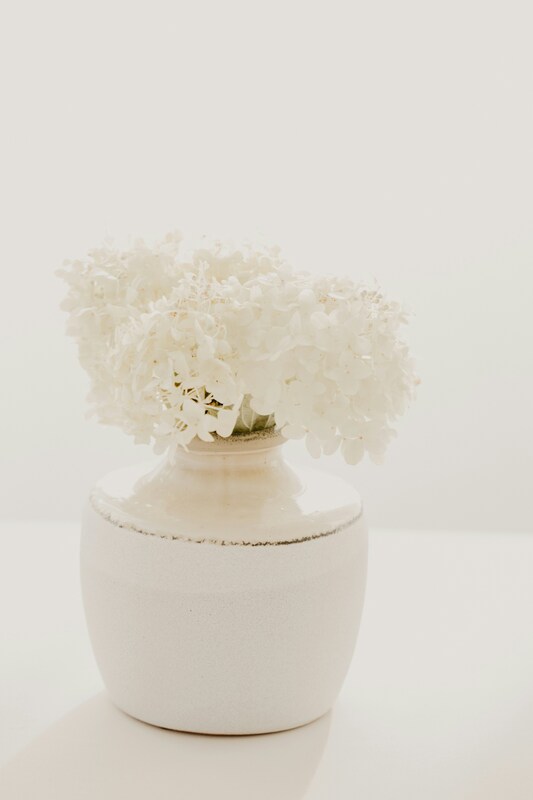
  • Heavy blossoms (peonies, hydrangeas) → Wide, stable base.
  • Short-stemmed flowers → Cube or bowl vase.
b. For Room/Decor Style:
  • Modern Designer Flower Pots → Sleek glass, metal, or geometric vases.
  • Rustic/cottage style → Ceramic, wooden, or vintage vases.
  • Formal settings → Urn or trumpet-style.

💦 Caring for Flower Vases
  • Clean after every use: Use warm soapy water and a bottle brush.
  • Remove flower residue: Add vinegar and baking soda for deep cleaning.
  • Avoid standing water: Prevent algae and mold.
  • Glass tip: For narrow necks, use uncooked rice + soap water to scrub.
Vase Arrangement Tips
  1. Trim stems at an angle for better water uptake.
  2. Remove leaves below waterline to avoid rot.
  3. Use flower food or DIY sugar + bleach water.
  4. Balance: Height of flowers = 1.5–2x the vase’s height.
  5. Odd numbers of stems (3, 5, 7) look more natural.
  6. Focal point: Place a standout bloom centrally.

🛋️ 7. Where to Use Flower Vases
  • Dining tables (low profile)
  • Entryways (tall, welcoming displays)
  • Coffee tables (compact and stylish)
  • Bathrooms (small bud vase)
  • Offices (calming desk accents)

♻️ 8. Creative/Alternative Uses
  • As centerpieces with fairy lights
  • Holders for kitchen utensils
  • Aroma diffusers with reeds
  • Decorative pieces with dried flowers or pampas grass
Trends & Styles
  • Minimalist glass vases
  • Terracotta and rustic ceramic
  • Asymmetrical/artisan-made vases
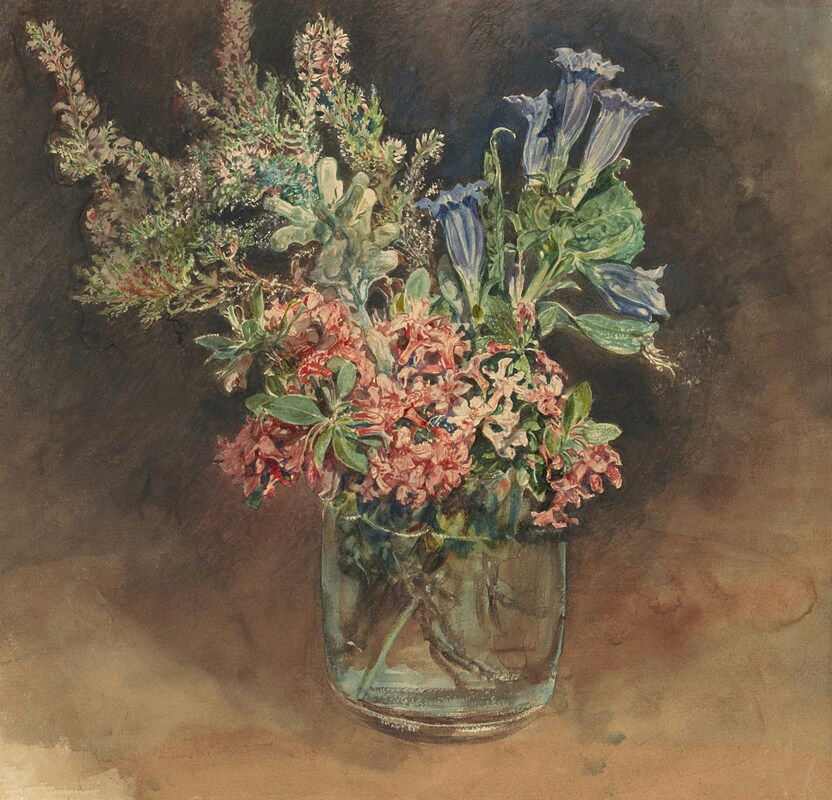
  • Vintage or repurposed containers (mason jars, wine bottles)

🛠️ DIY Vase Ideas
  • Wrap cans or bottles with jute rope or fabric
  • Paint old jars with chalk paint
  • Use test tubes in wood frames for modern bud vases
Vase as ArtMany vases are functional sculptures. In art and interior design, a vase is:
  • A centerpiece or statement object.
  • An expression of cultural identity or design language.
  • Part of fine art collections (e.g. Lalique, Murano-style glass).
  • A key element in Ikebana (Japanese flower arranging) where the vase is as important as the flowers.

🧠 13. Design Principles for Vase UseTo master floral design with vases, follow these rules:
Proportion
  • Flower height should be 1.5 to 2 times the height of the vase.
Balance
  • Distribute weight visually—don't let one side appear too heavy.
Contrast
  • Pair soft flowers with hard, angular vases (and vice versa).
Rhythm
  • Create flow by repeating colors, shapes, or spacing.
Picture
Technical Notes (For Enthusiasts)
  • Vase Neck Diameter: Influences flower spacing and support.
  • Weight & Stability: Heavy bases prevent tipping with tall stems.
  • Water Volume: A deeper vase can hold more water = longer flower life.
  • Transparency: Glass vases let you monitor water quality but show stems.

♨️ Special Vases for Special Flowers
  • Bulb Vases – Narrow neck, wide base to suspend tulip or hyacinth bulbs over water.
  • Test Tube Vases – Perfect for propagation or minimal display.
  • Wall-mounted Vases – Great for vertical arrangements or tight spaces.
  • Self-watering Vases – Have built-in reservoirs or wicks for long-term care.
Storing & Transporting Vases Storage Tips:
  • Wrap in bubble wrap or towels.
  • Avoid stacking unless designed for nesting.
  • Store in temperature-controlled, dry spaces.
Transporting Tips:
  • Use dividers in boxes.
  • Avoid sharp turns or stacking in cars.
  • Label as fragile.
Picture
.
  • Designer Flower Pot
  • About
  • Contact
  • Privacy Policy